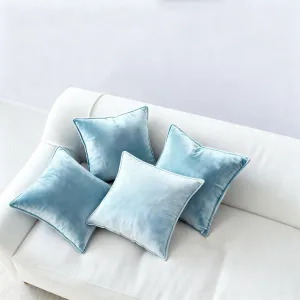
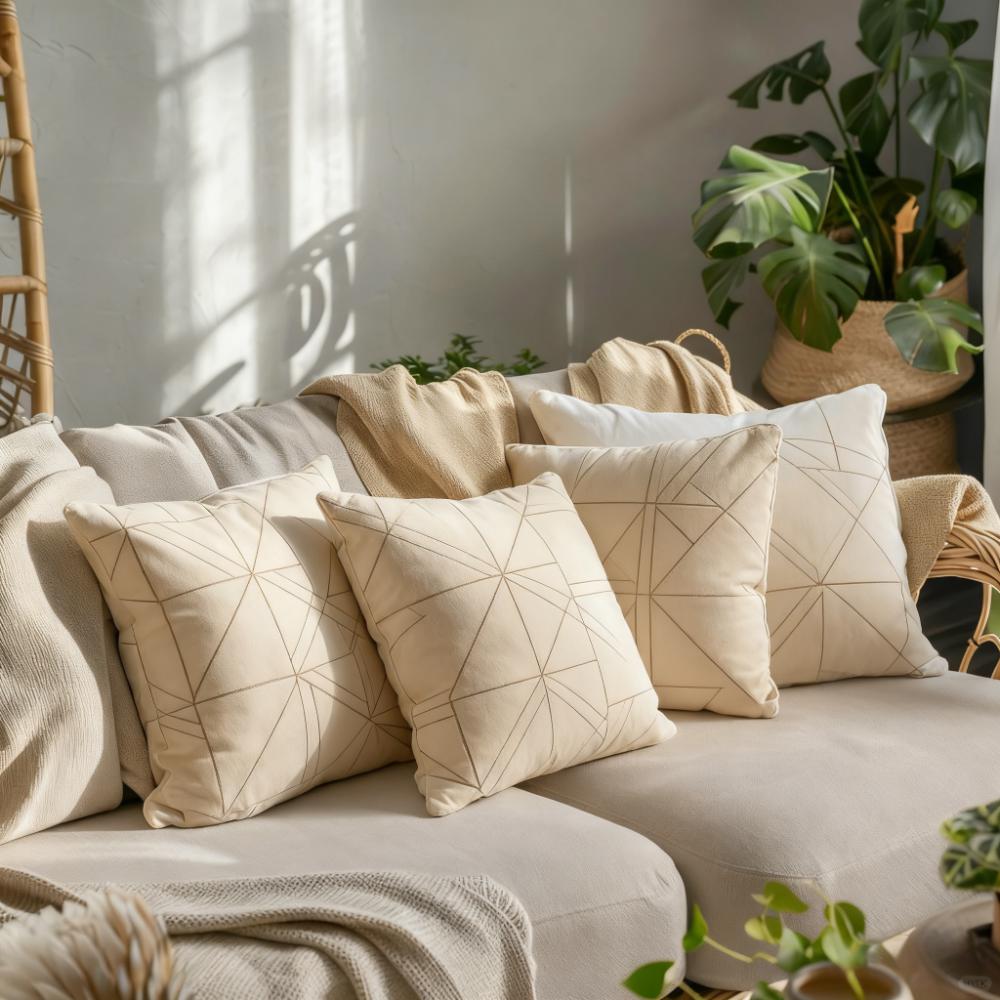
Throw pillows are a quintessential element in interior decoration, seamlessly blending function and aesthetics. Beyond comfort, they act as versatile design tools that can transform a plain sofa into a sophisticated focal point. This guide explores how incorporating quilted textures in throw pillow arrangements enriches living room environments by adding dimension, tactile interest, and visual dynamism.
Successful pillow styling starts with understanding the interplay between color, pattern, and material. This foundational triad sets the tone for the room’s ambiance and ensures coherence with the broader décor.
Opt for color palettes that complement your living room’s existing hues. For instance, pairing cool blues (#2a5caa) with soft grays (#DEE2E6) and creams (#FFF8E6) creates a serene environment, whereas integrating warm rust tones (#d2691e) adds cozy vibrancy. Employing analogous or complementary color schemes can guide harmonious yet surprising combinations that keep the space engaging.
Introducing varied textures enhances sensory richness. Quilted pillows, with their raised patterns and subtle shadows, contrast beautifully against smoother fabrics like linen or velvet. This juxtaposition not only invites touch but also adds depth, breaking visual monotony.
Beyond basics, thoughtful layering and psychology elevate pillow arrangements from decorative to transformational.
Incorporate pillows of varying dimensions to craft dynamic spatial rhythm. For example, large square quilted cushions paired with smaller rectangular or lumbar pillows create a balanced yet dynamic composition. Studies show that mixing sizes increases perceived comfort by up to 35%, as the visual layering suggests inviting softness.
Consider alternating solid quilted textures with patterned pillows featuring florals, geometrics, or stripes. The quilt’s repetitive stitched motifs complement bolder prints, allowing the eye to rest while maintaining interest. Aim for odd-numbered groupings (such as three or five pillows) to create natural visual flow.
Leveraging color effects can tailor moods: blues soothe, greens energize, and earth tones like warm browns invoke grounding stability. The quilted texture amplifies these effects by adding a subtle tactile layer that subconsciously encourages relaxation or invigoration depending on color choice.
Understanding diverse cultural aesthetics broadens the effectiveness of pillow styling for global markets.
Contemporary and eclectic designs dominate, favoring bold color contrasts and mixed media. Quilted pillows in muted tones or with subtle geometric quilting are highly popular, appreciated for their blend of style and durability, especially in family-oriented homes.
European buyers gravitate toward minimalist palettes with organic textures. Soft, low-sheen quilted cottons in pastel or earthy hues resonate well. Elegance here lies in understated sophistication and longevity.
Luxurious velvet quilts and pillows embroidered with gold or metallic threads are preferred. Rich jewel tones like emerald (#228b22) and deep sapphire (#2a5caa) accented with intricate quilting reflect cultural opulence, fitting affluent living spaces.
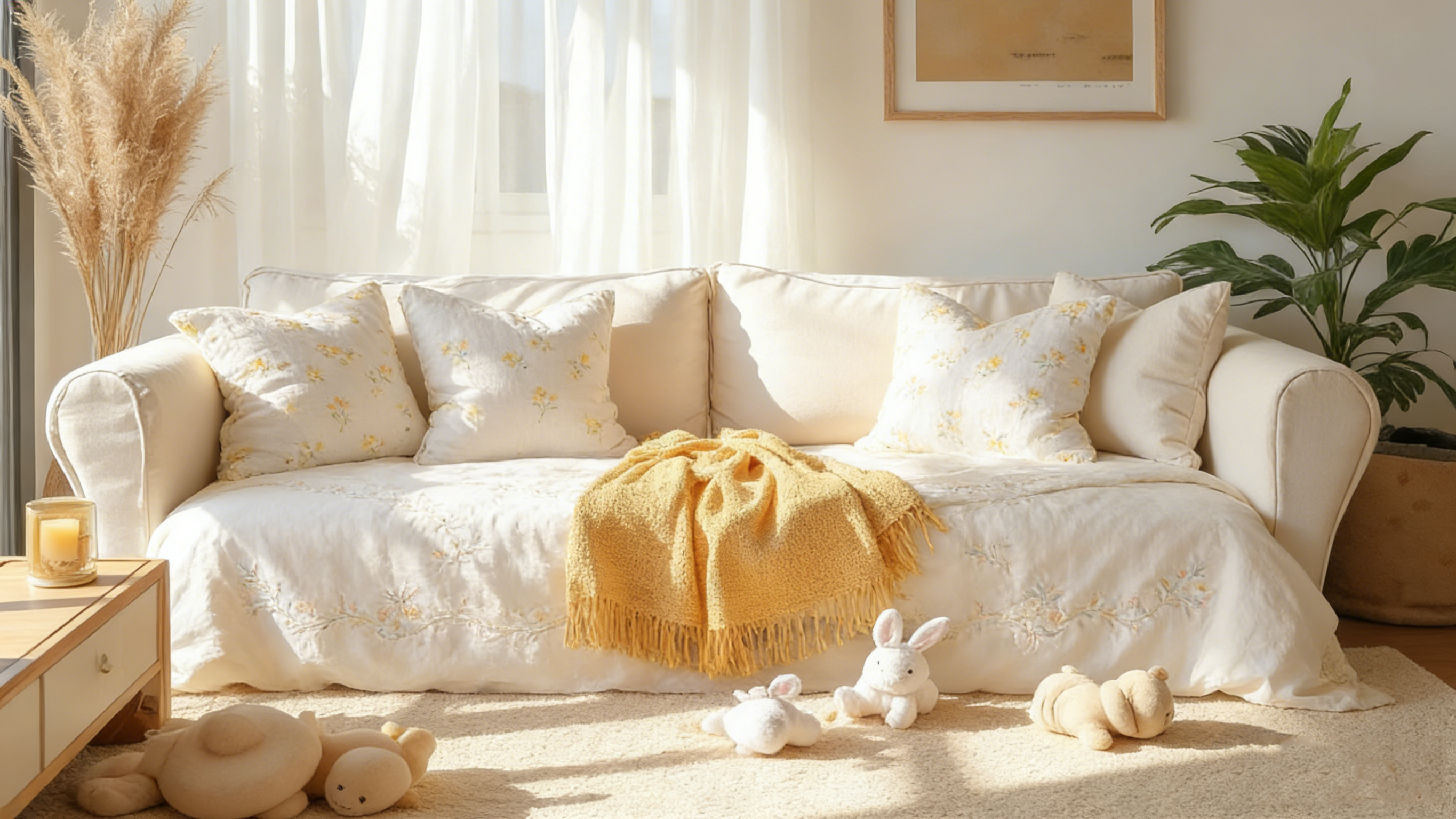
To craft an inviting and visually stimulating pillow arrangement, start with a base of two large quilted pillows that anchor the sofa. Next, add 2–3 smaller pillows with complementary patterns or solids, focusing on a consistent color family. Finally, introduce a unique accent pillow with tactile embellishments such as pom-poms or piping for focal interest.
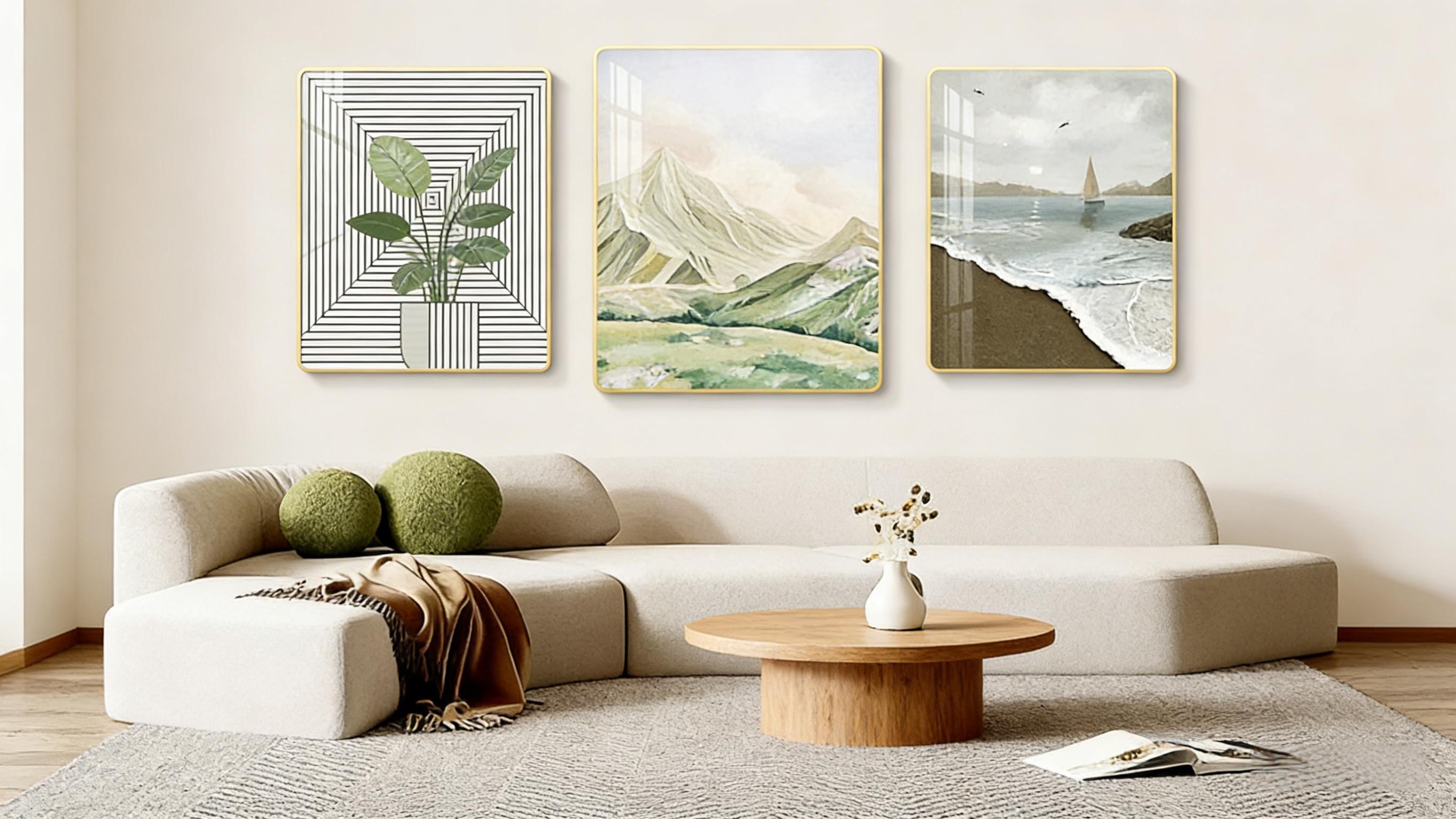
Unlocking the full potential of throw pillows with quilted textures involves more than decor—it’s about crafting a sensory and emotional connection in your living space. Whether targeting the bold diversity of North America, the refined minimalism of Europe, or the ornate richness of the Middle East, these styling principles empower designers and enthusiasts alike to elevate interiors with intention.

 108
|
108
|
 quilted pillows
living room pillow styling
home décor inspiration
Nordic pillow design
Middle Eastern style pillows
quilted pillows
living room pillow styling
home décor inspiration
Nordic pillow design
Middle Eastern style pillows
 295
|
eye-care desk lamp
blue light hazard
color rendering index
ergonomic lighting
office reading lamp
295
|
eye-care desk lamp
blue light hazard
color rendering index
ergonomic lighting
office reading lamp
 221
|
REACH compliance for textiles
CPSC safety standards
Oeko-Tex Class II certification
home textile export regulations
textile environmental testing
221
|
REACH compliance for textiles
CPSC safety standards
Oeko-Tex Class II certification
home textile export regulations
textile environmental testing
 238
|
Advantages of cotton bedding
Characteristics of velvet fabric
Maintenance of reactive dye printing
Care tips for washed cotton
Bedding fabric selection guide
138
|
pillow filling comparison
PP cotton pillow
polyfill filling
bedding safety certification
eco-friendly pillow materials
238
|
Advantages of cotton bedding
Characteristics of velvet fabric
Maintenance of reactive dye printing
Care tips for washed cotton
Bedding fabric selection guide
138
|
pillow filling comparison
PP cotton pillow
polyfill filling
bedding safety certification
eco-friendly pillow materials