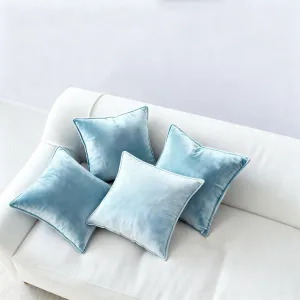
For B2B exporters of home textiles—especially from manufacturing hubs like Zhengzhou—understanding global quality standards isn’t optional—it’s a competitive necessity. According to the International Trade Centre (ITC), over 40% of textile-related import rejections in EU and North American markets stem from non-compliance with basic safety certifications such as Oeko-Tex Standard 100 or REACH. This makes it critical for suppliers to embed compliance into every stage of production—not just as a checkbox, but as a core value.
ISO 9001 certification is more than a logo—it reflects a documented process for consistent product quality. In practice, companies that implement ISO 9001 alongside third-party audits report up to 30% fewer customer complaints related to inconsistency in fabric weight, colorfastness, or stitching durability. For example, at Zhengzhou Senyu Home Textiles, integrating ISO 9001 with SGS testing has reduced post-shipment returns by nearly 25% in two years.
When combined with Oeko-Tex Standard 100 Class II (for products in direct contact with skin), your fabrics meet strict limits on harmful substances—like formaldehyde (< 75 ppm) and heavy metals (< 100 ppm). These aren't just technical specs—they’re trust signals for retailers like IKEA, Amazon, or Target who demand full traceability.

Real-world performance matters most. At Senyu, we’ve optimized three key processes:
These aren’t just internal metrics—they translate directly into lower return rates and higher retailer satisfaction. One U.S.-based buyer noted: “We’ve seen a 40% drop in warranty claims since switching to your certified bedding range.”

EU’s REACH regulation bans over 1,000 chemicals in consumer goods—including phthalates and azo dyes. Meanwhile, the U.S. CPSC mandates flame resistance for certain items like duvet covers used in hotels or daycare centers. Ignoring these can result in product recalls costing up to $50k per incident, according to a 2023 McKinsey report.
The good news? With proactive material sourcing and regular lab checks, you can avoid these pitfalls entirely. Our team works closely with chemical suppliers to ensure all raw materials are pre-approved against both REACH and CPSC thresholds—before they even reach the loom.
Pro Tip: Don’t wait until your first shipment to discover compliance gaps. Build a “pre-export checklist” covering colorfastness, labeling, packaging, and documentation—this reduces risk exposure by up to 70%.

Get expert guidance on building an export-ready quality system tailored to your market—without guesswork.
Explore Certified Product Solutions Today
 285
|
285
|
 Bohemian embroidered bedding
Vintage aesthetic bedding
Velvet bedding pairing
Embroidered print design
Envelope - style pillowcase strap fitted sheet
342
|
Advantages of cotton bedding
Characteristics of velvet fabric
Maintenance of reactive dye printing
Care tips for washed cotton
Guide to choosing bedding fabrics
416
|
bed skirt with inner clasp
export bedding solutions
boho embroidered bed linen
bedding structure optimization
OEKO-TEX certified textiles
Bohemian embroidered bedding
Vintage aesthetic bedding
Velvet bedding pairing
Embroidered print design
Envelope - style pillowcase strap fitted sheet
342
|
Advantages of cotton bedding
Characteristics of velvet fabric
Maintenance of reactive dye printing
Care tips for washed cotton
Guide to choosing bedding fabrics
416
|
bed skirt with inner clasp
export bedding solutions
boho embroidered bed linen
bedding structure optimization
OEKO-TEX certified textiles
 221
|
REACH compliance for textiles
CPSC safety standards
Oeko-Tex Class II certification
home textile export regulations
textile environmental testing
221
|
REACH compliance for textiles
CPSC safety standards
Oeko-Tex Class II certification
home textile export regulations
textile environmental testing
 496
|
Embroidered printed bedding
European and American bedroom color schemes
Bohemian style bedding
Home textile customization
Hotel linen matching
496
|
Embroidered printed bedding
European and American bedroom color schemes
Bohemian style bedding
Home textile customization
Hotel linen matching