In the world of LED lighting, a common misconception prevails among B2B buyers: a long - advertised lifespan of 50,000 hours necessarily means high - quality. However, this is far from the truth. Let's take a closer look at the real factors that contribute to the quality of LED desk lamps.
One of the key elements in maintaining the performance of an LED desk lamp is an effective thermal management system. The combination of an ABS (Acrylonitrile Butadiene Styrene) lamp body and a PC (Polycarbonate) light - transmitting cover plays a crucial role in this regard. As an expert in thermal management once said, "Proper heat dissipation is the foundation for the stable operation of LED chips."
The ABS lamp body, with its excellent heat - conducting properties, can quickly transfer the heat generated by the LED chips to the outside. Meanwhile, the PC light - transmitting cover not only provides good light diffusion but also participates in the heat - dissipation process. Together, they form a synergistic thermal management mechanism. For example, in a test conducted by a well - known lighting research institute, a desk lamp with this combination of materials could maintain the LED chip temperature within a stable range, significantly reducing the risk of chip failure caused by overheating.
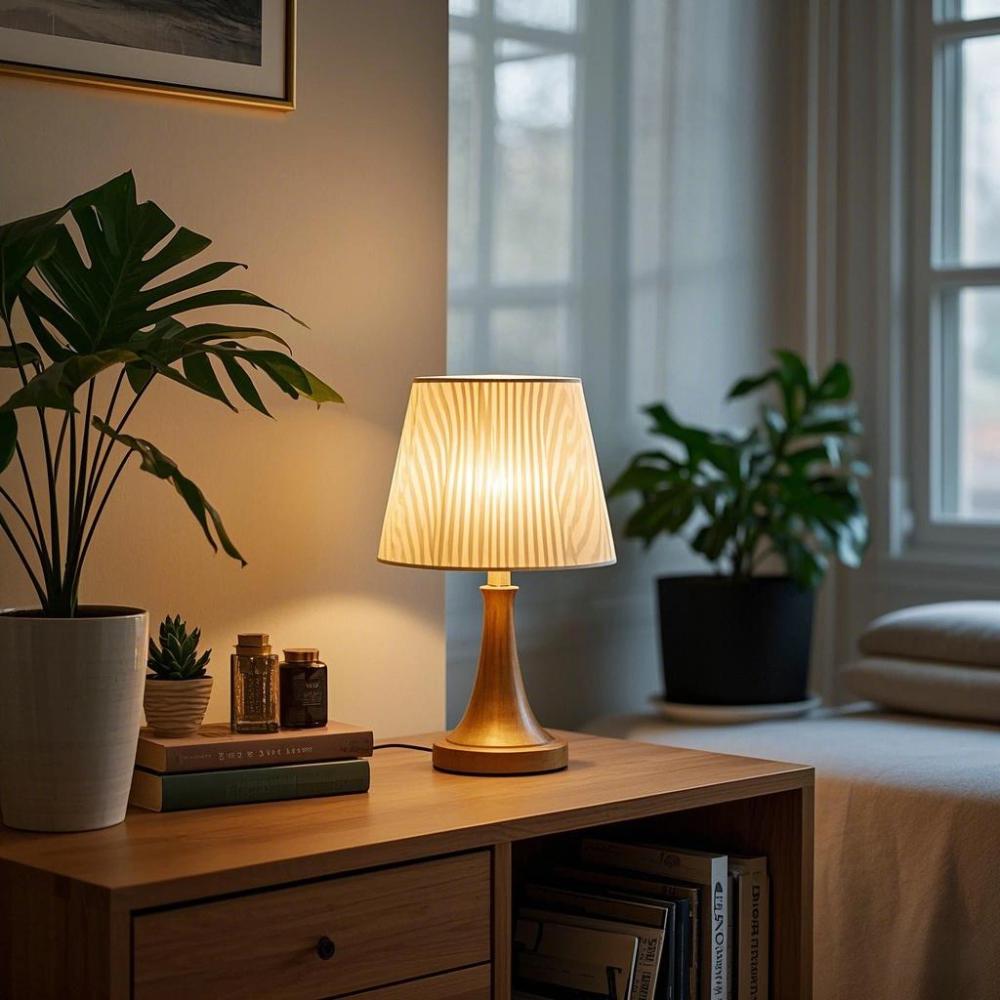
Another vital factor for long - term lighting stability is the built - in drive power module. A high - performance drive power module can ensure a stable power supply to the LED chips, preventing issues such as flickering and uneven lighting. According to industry statistics, 70% of lighting instability problems in LED desk lamps are related to the drive power module.
The design of the drive power module focuses on voltage regulation and current control. It can adapt to different power grids and provide a constant current to the LED chips, ensuring that the lighting remains stable over a long period. This is especially important for office environments, where stable lighting is essential for employees' visual health and work efficiency.
Materials like ABS and PC are not only excellent for thermal management but also highly durable. The durability of these materials directly affects the overall performance of the desk lamp. For instance, the ABS lamp body can resist scratches and impacts, protecting the internal components of the lamp. The PC light - transmitting cover is also resistant to yellowing and cracking, ensuring long - term light - transmission quality.
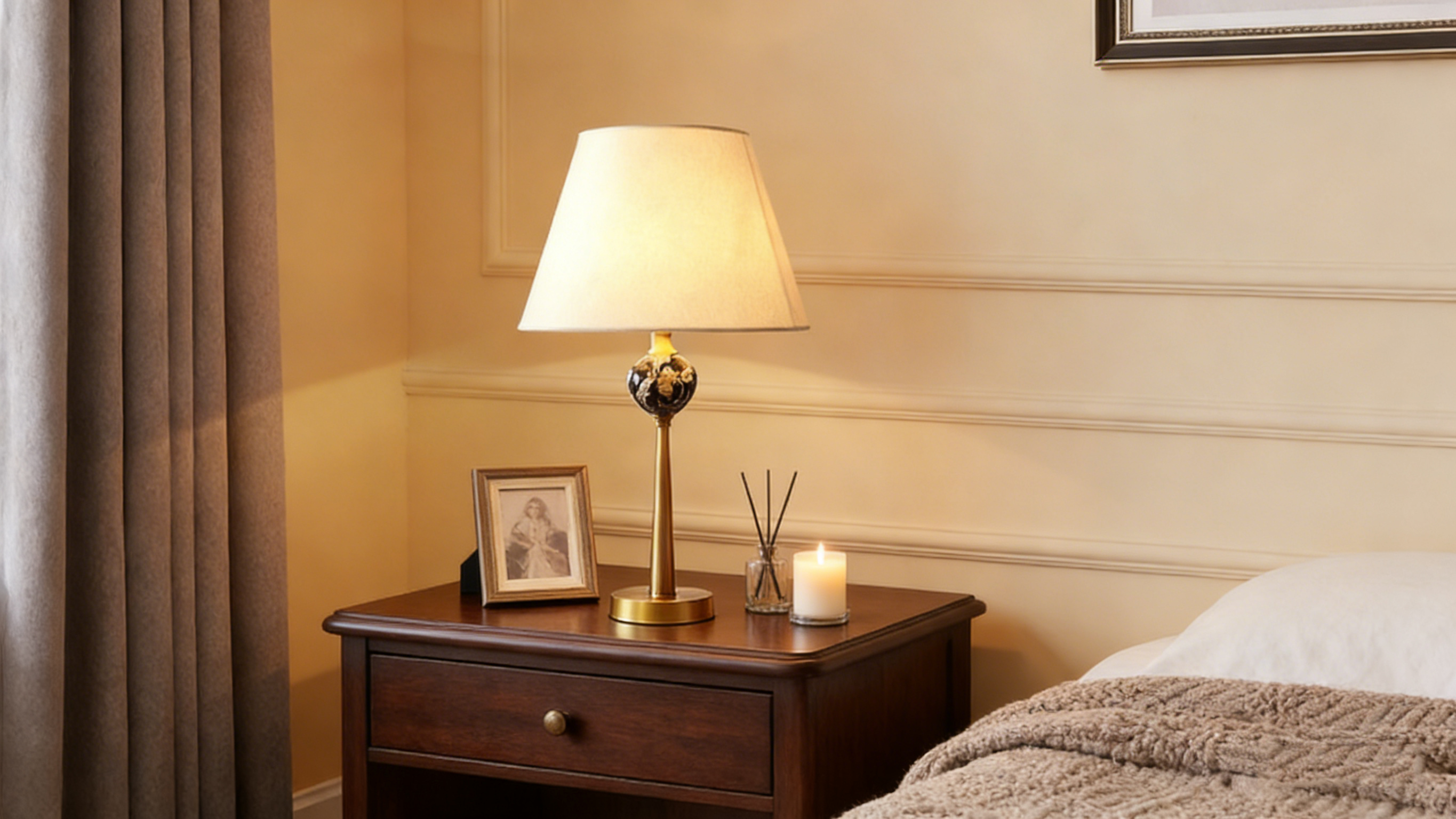
Compliance with international safety standards such as IEC (International Electrotechnical Commission) and RoHS (Restriction of Hazardous Substances) is non - negotiable. These standards ensure that the LED desk lamps are not only safe to use but also environmentally friendly. As a B2B buyer, choosing products that meet these standards can enhance the safety and environmental protection image of your company.
To extend the service life of LED desk lamps, some simple maintenance measures can be taken. Regular cleaning, for example, should be carried out at least once a month to remove dust and dirt. Controlling the environmental temperature and humidity is also crucial. The ideal temperature range for LED desk lamps is between 20°C - 30°C, and the relative humidity should be kept below 60%.
In conclusion, when B2B buyers are looking for LED desk lamps, they should not be solely swayed by the advertised lifespan. Instead, they should focus on factors such as thermal management, drive power stability, material durability, and compliance with international safety standards. By making a more informed choice, they can build a standardized office lighting system.
Are you ready to upgrade your office lighting system with high - quality LED desk lamps? Discover our premium LED lighting solutions by clicking here and take a step towards a more efficient and sustainable office environment!

 263
|
263
|
 100% cotton cushion international certification
combed cotton fabric benefits
PP cotton filling resilience
home textile export quality standards
durable quilting technology
100% cotton cushion international certification
combed cotton fabric benefits
PP cotton filling resilience
home textile export quality standards
durable quilting technology
 137
|
pillow filling comparison
PP cotton pillow
polyfill filling
bedding safety certification
eco-friendly pillow materials
137
|
pillow filling comparison
PP cotton pillow
polyfill filling
bedding safety certification
eco-friendly pillow materials
 138
|
Adjustable desk lamp
Office lighting ergonomics
Eye - caring desk lamp recommendation
Reduce visual fatigue
Desktop lighting layout optimization
290
|
cotton pillow with quilted pattern
durable home textiles
PP cotton filling pillow
washable pillow cover
towel-style quilting technology
138
|
Adjustable desk lamp
Office lighting ergonomics
Eye - caring desk lamp recommendation
Reduce visual fatigue
Desktop lighting layout optimization
290
|
cotton pillow with quilted pattern
durable home textiles
PP cotton filling pillow
washable pillow cover
towel-style quilting technology
 211
|
adjustable arm desk lamp
ergonomic office lighting
LED task lamp for home office
anti-glare desk lamp
healthy lighting habits
211
|
adjustable arm desk lamp
ergonomic office lighting
LED task lamp for home office
anti-glare desk lamp
healthy lighting habits