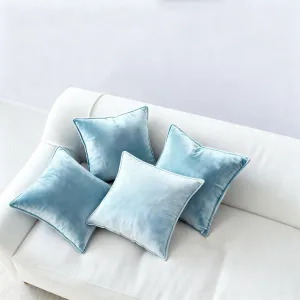
An in-depth analysis on durability, comfort, and compliance with international standards for premium home textile exports
Selecting the correct fabric for cushions destined for international markets requires balancing comfort, durability, and compliance with global safety standards. Exporters must understand the critical differences between 100% cotton and polyester-cotton blends (commonly 65% polyester / 35% cotton) to provide products that satisfy both consumer expectations and regulatory demands.
| Fabric Feature | 100% Cotton | Polyester-Cotton Blend |
|---|---|---|
| Comfort & Breathability | Excellent air permeability; soft hand feel; excellent skin friendliness | Moderate breathability; slightly less soft but more wrinkle-resistant |
| Durability & Wrinkle Resistance | Less durable; prone to creasing and abrasion over prolonged use | Higher durability; resists wear and wrinkles well, ideal for frequent use |
| Maintenance | Requires gentle washing; prone to shrinkage | Easy to clean; retains shape and color after repeated washes |
| Cost & Market Preference | Higher cost; preferred in premium segments focusing on natural fibers | More cost-effective; widely accepted in mass-market exports |
Beyond surface fabric, the choice of PP cotton filling (polypropylene cotton) significantly influences cushion performance. High-resilience PP cotton offers excellent loftiness and superior rebound effect, maintaining cushion shape and comfort even after thousands of compressions. Its hydrophobic nature also resists moisture accumulation, enhancing hygiene and lifespan — critical factors for fulfilling ISO9001 quality management and GB 18401-2010 A-level safety standards required for export certification.
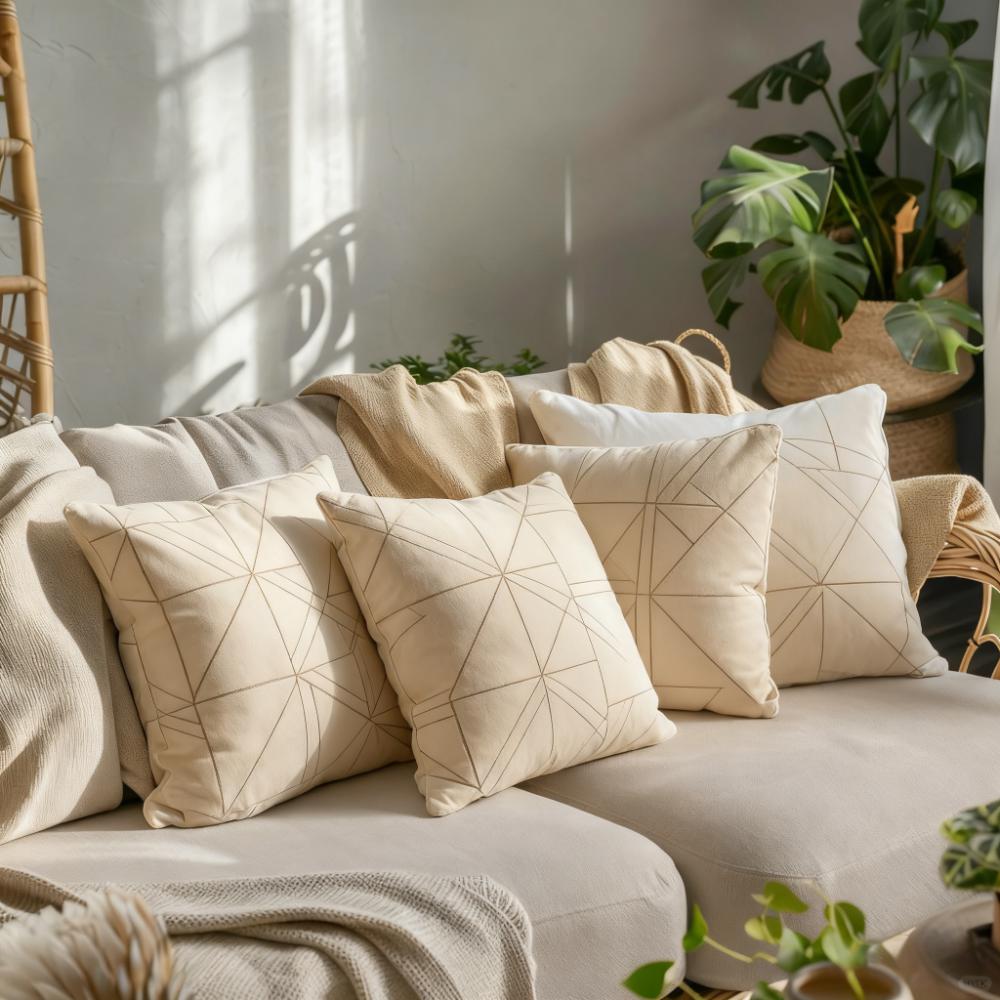
To ensure compliance with global market requirements, cushion fabrics and fillings must meet rigorous standards:
A product passing these certifications guarantees reliability and enhances brand credibility in competitive export markets.

When approaching different international customer segments, fabric selection must align with buyer priorities:
In summary, choosing the right cushion fabric for export involves a multi-criteria evaluation, including:
Exporters who integrate these factors can confidently position their cushions as high-performance, trustworthy products that satisfy stringent global demands.

 342
|
342
|
 Advantages of cotton bedding
Characteristics of velvet fabric
Maintenance of reactive dye printing
Care tips for washed cotton
Guide to choosing bedding fabrics
Advantages of cotton bedding
Characteristics of velvet fabric
Maintenance of reactive dye printing
Care tips for washed cotton
Guide to choosing bedding fabrics
 272
|
Bohemian Bedding Design
Embroidered Printed Bedding
Vintage Style Home Decor
Velvet Texture Bedding
Bedroom Aesthetic Enhancement
65
|
quilted cotton throw pillows
pillow styling tips
home decor inspiration
cotton pillow design
home textile coordination
272
|
Bohemian Bedding Design
Embroidered Printed Bedding
Vintage Style Home Decor
Velvet Texture Bedding
Bedroom Aesthetic Enhancement
65
|
quilted cotton throw pillows
pillow styling tips
home decor inspiration
cotton pillow design
home textile coordination
 86
|
office lighting ergonomics
adjustable desk lamp
ergonomic lighting design
visual comfort at work
productivity-focused lighting
86
|
office lighting ergonomics
adjustable desk lamp
ergonomic lighting design
visual comfort at work
productivity-focused lighting
 65
|
eye care lamp selection
blue light radiation level
color rendering index
4000K color temperature
vision health
65
|
eye care lamp selection
blue light radiation level
color rendering index
4000K color temperature
vision health