In today's visually demanding world, selecting a desk lamp that complies with ergonomic eye-care standards is more essential than ever. Prolonged exposure to improper lighting can lead to eye strain, fatigue, and even long-term vision problems. This article explores how to choose a desk lamp that not only illuminates your workspace effectively but also safeguards your eyesight, guided by the authoritative Chinese national standard GB/T 9473-2017. Key factors such as blue light emission, color rendering index (CRI or Ra), and color temperature are dissected to help professionals, students, and remote workers make informed decisions.
Blue light, with its short wavelength and high energy, is emitted by most LED lighting, digital screens, and even sunlight. While some exposure is necessary for regulating circadian rhythms, excessive blue light can cause photochemical damage to the retina, leading to digital eye strain symptoms such as dryness, irritation, and blurred vision. The GB/T 9473-2017 standard specifically regulates limits on blue light radiation for lighting products, ensuring consumer safety by defining maximum permissible exposure levels.
CRI (Ra) measures how accurately a light source reveals colors compared to natural sunlight. A higher CRI (>80) means colors appear more vivid and natural, reducing strain caused by unnatural hues and enabling better visual clarity—critical for tasks requiring color discrimination such as design and reading.
The recommended color temperature for reading and office work is around 4000K (natural white light). This temperature balances warmth and coolness, resulting in a soothing yet bright environment that minimizes pupil fatigue and glare.
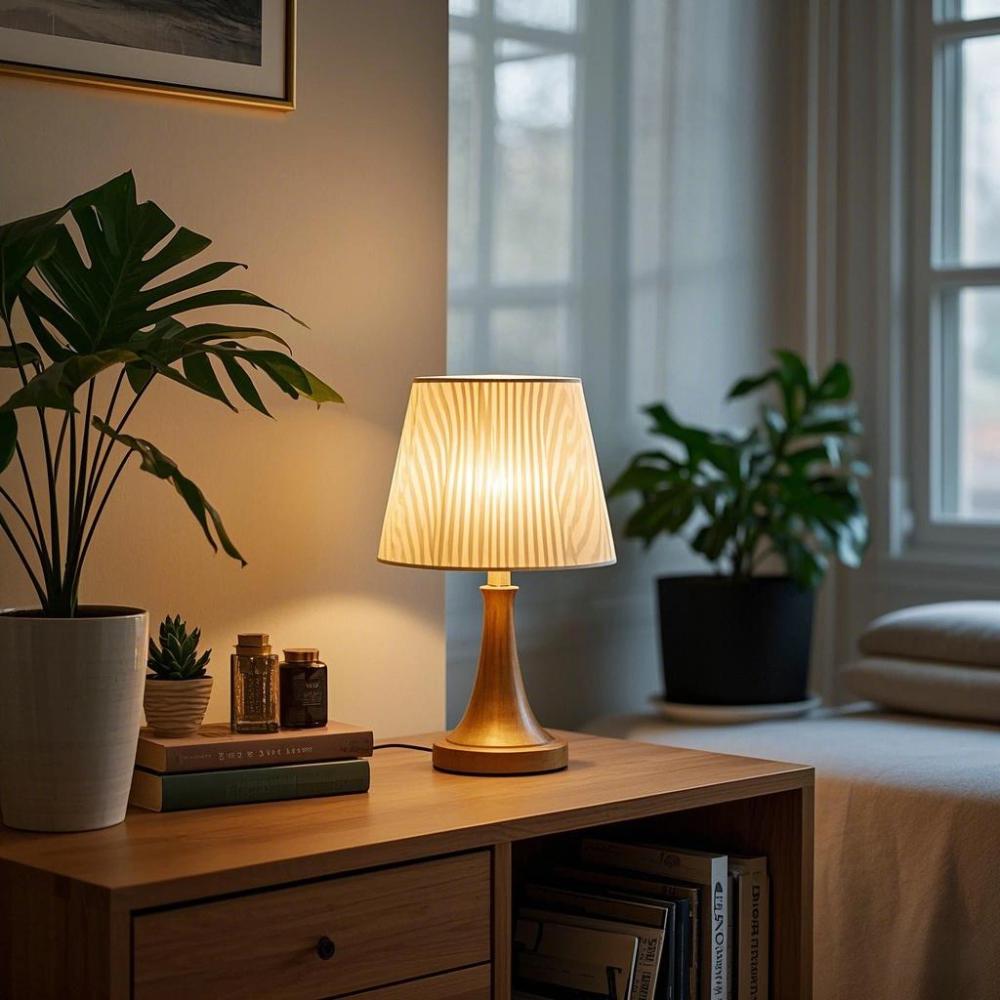
Different use cases demand specific lighting characteristics:
Pursuing only brightness or low price may result in lamps that cause glare, flicker, or excessive blue light output, all contributing to visual fatigue and headaches.
According to Dr. Wei Zhang, a leading ophthalmologist in ergonomic lighting research, "Integrating high CRI LEDs with blue light filters and ergonomic design can reduce eye fatigue by up to 35% in controlled studies, significantly improving work efficiency and comfort." Independent laboratory tests corroborate that protective desk lamps aligned with GB/T 9473-2017 guidelines outperform standard LEDs in minimizing adverse blue light emission without sacrificing luminance quality.
| Feature | Recommended Value | Benefit |
|---|---|---|
| Blue Light Emission | Below 100 W·sr−1·m−2·nm−1 | Safe retinal exposure, reduced eye strain |
| Color Rendering Index (Ra) | 80-95 | True color perception, less visual fatigue |
| Color Temperature | Around 4000K (Natural White) | Balanced brightness and warmth, eye comfort |
Leading the market’s eye-care lighting innovation, Zhengzhou Senyu Home offers a 19-inch, 12W LED desk lamp that fully meets GB/T 9473-2017 ergonomic standards. This lamp combines a high CRI (above 90) with a natural color temperature of 4000K, delivering comfortable, uniform illumination without glare or flicker. The advanced LED chip and diffuser design minimize blue light hazards while maintaining sufficient brightness, ideal for extensive reading and working periods.
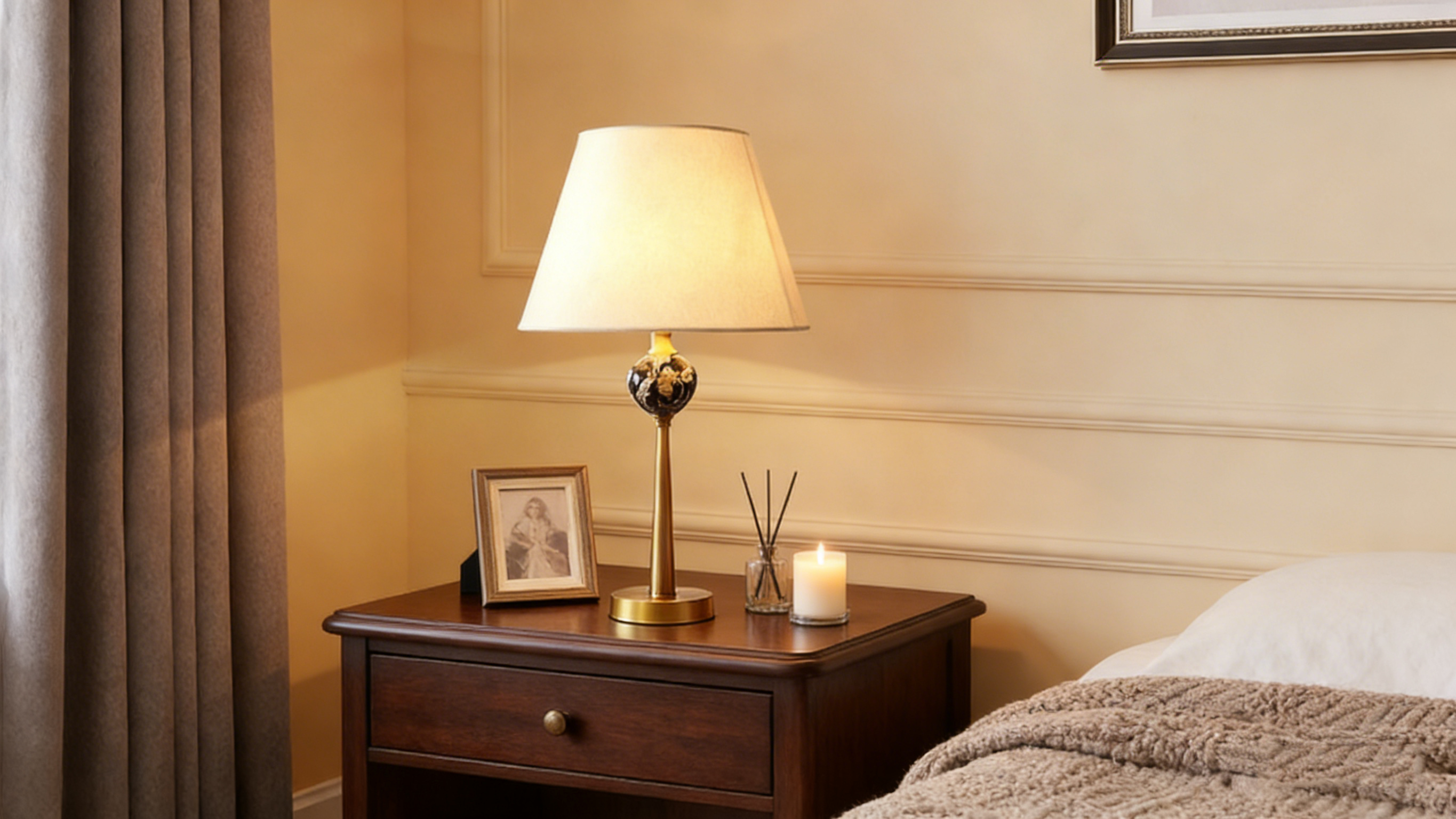
Ergonomically designed in classic black, it provides adjustable angles and stable footing for diverse workspace setups. Users report noticeable reductions in eye discomfort and enhanced concentration, underpinning its position as a professional-grade choice for safeguarding vision health.
As remote work and digital learning become increasingly prevalent, the need for scientifically designed eye-care desk lamps rises in tandem. Investing in certified, ergonomic lighting solutions like Zhengzhou Senyu Home’s 19-inch LED desk lamp not only elevates user comfort but also contributes to long-term ocular health maintenance.

 385
|
385
|
 Oeko-Tex Standard 100 Class II certification
International home textile export standards
Quality control system
Environmental safety certification
Home textile safety assurance
Oeko-Tex Standard 100 Class II certification
International home textile export standards
Quality control system
Environmental safety certification
Home textile safety assurance
 270
|
eye-friendly desk lamp selection
blue light hazards
color rendering index
color temperature
eye protection lighting standards
285
|
Pillow matching techniques
Quilted pillow design
Home decoration inspiration
Minimalist pillow functionality
North American home trends
248
|
Eye - care desk lamp selection
Blue light hazard
Color rendering index
Color temperature selection
Eye - care lighting standards
270
|
eye-friendly desk lamp selection
blue light hazards
color rendering index
color temperature
eye protection lighting standards
285
|
Pillow matching techniques
Quilted pillow design
Home decoration inspiration
Minimalist pillow functionality
North American home trends
248
|
Eye - care desk lamp selection
Blue light hazard
Color rendering index
Color temperature selection
Eye - care lighting standards
 293
|
pillow sizing guide
pattern mixing techniques
home decor styling
textured throw pillows
interior design tips
293
|
pillow sizing guide
pattern mixing techniques
home decor styling
textured throw pillows
interior design tips