In the global home textile export market, ensuring product safety and harmlessness is crucial for businesses to gain a competitive edge. This article delves into the significant role of Oeko-Tex Standard 100 Class II certification in guaranteeing the safety of home textile products.
The ISO 9001 quality management system serves as the cornerstone for home textile manufacturers. According to industry statistics, companies implementing ISO 9001 have seen a 20% - 30% reduction in product quality issues. It provides a framework for consistent quality control throughout the production process, from raw material sourcing to finished product packaging.
SGS environmental testing, on the other hand, is a comprehensive process that evaluates the environmental impact and safety of home textile products. The testing process includes checks for harmful substances such as heavy metals, formaldehyde, and pesticides. A study shows that over 80% of home textile products that pass SGS testing meet international safety standards.
Oeko-Tex Standard 100 Class II certification is specifically designed for home textile products that come into direct contact with the skin. It sets strict limits on harmful substances and ensures that products are safe for long - term use. To obtain this certification, products must meet over 100 different criteria related to chemical safety.
This certification not only enhances the safety of products but also boosts consumer confidence. In fact, products with Oeko-Tex Standard 100 Class II certification can command a price premium of up to 15% in the international market.
The EU REACH regulation and US CPSC standard have a profound impact on the home textile export market. The REACH regulation requires manufacturers to register, evaluate, authorize, and restrict the use of certain chemicals. Non - compliance can result in hefty fines and product recalls. Similarly, the US CPSC standard sets strict safety requirements for home textile products sold in the United States.
According to a report, over 30% of home textile products exported from non - compliant regions face rejection at the EU and US borders. Therefore, understanding and complying with these regulations is essential for successful international trade.
Let's take a look at some real - world examples. A well - known home textile manufacturer in Asia was facing high return rates due to non - compliance with international standards. After implementing a comprehensive quality control system that included Oeko-Tex Standard 100 Class II certification, their return rate dropped by 40% within a year.
To optimize the production process, manufacturers should focus on using eco - friendly raw materials, improving dyeing and finishing techniques, and enhancing quality control at every stage. For example, using natural dyes can reduce the presence of harmful chemicals in products.
Here are some common questions from home textile suppliers and buyers:
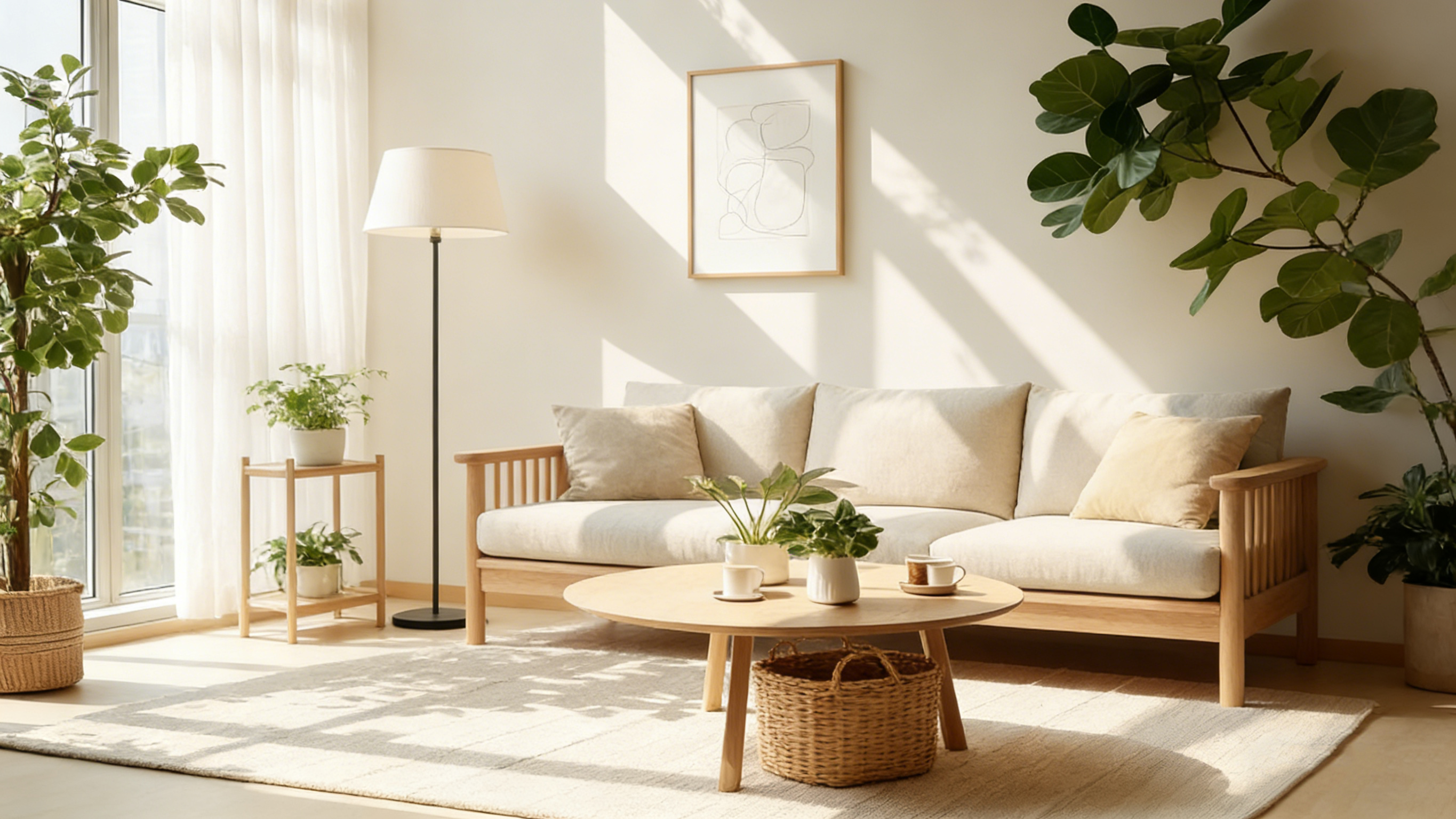
If you want to optimize your home textile quality control system and achieve international standards, our professional team can provide you with customized solutions. Contact us now!

 108
|
108
|
 quilted pillows
living room pillow styling
home décor inspiration
Nordic pillow design
Middle Eastern style pillows
quilted pillows
living room pillow styling
home décor inspiration
Nordic pillow design
Middle Eastern style pillows
 193
|
quilted pillow design
cotton pillow fabric
home textile aesthetics
durable bedding materials
interior decor inspiration
193
|
quilted pillow design
cotton pillow fabric
home textile aesthetics
durable bedding materials
interior decor inspiration
 147
|
envelope pillowcase design
luxury bed linen
hotel bedding solutions
durable home textiles
embroidered bedding patterns
147
|
envelope pillowcase design
luxury bed linen
hotel bedding solutions
durable home textiles
embroidered bedding patterns
 321
|
eye care lamp selection
blue light safety
color rendering index Ra
color temperature for eyes
study and work lighting
321
|
eye care lamp selection
blue light safety
color rendering index Ra
color temperature for eyes
study and work lighting
 496
|
Embroidered printed bedding
European and American bedroom color schemes
Bohemian style bedding
Home textile customization
Hotel linen matching
496
|
Embroidered printed bedding
European and American bedroom color schemes
Bohemian style bedding
Home textile customization
Hotel linen matching