Have you ever wondered why, despite investing in an "eye-friendly" desk lamp, your eyes still feel strained after hours of use? The answer often lies deeper than the lamp’s appearance or price tag. Understanding key parameters like Blue Light Emission Levels, Color Rendering Index (Ra), and Color Temperature is crucial when selecting a desk lamp that truly protects your vision.
Blue light wavelengths (400–490 nm) emitted by many LED lamps are known to cause digital eye strain, disrupt circadian rhythms, and contribute to long-term retinal damage. According to research published by the American Optometric Association, exposure to excessive blue light can lead to symptoms such as dry eyes, headaches, and blurred vision.
Therefore, selecting lamps with low blue light emission ratings is vital for prolonged use — especially for students and professionals spending 4+ hours daily under artificial lighting.
The Color Rendering Index (Ra) measures a light source’s ability to reveal colors faithfully compared to natural light. A higher Ra value, especially Ra ≥ 90, means colors appear vibrant and natural, reducing the visual effort your eyes expend trying to discern hues.
In contrast, typical desk lamps with Ra between 60-80 can distort colors, forcing your eyes to work harder and increasing fatigue over time.
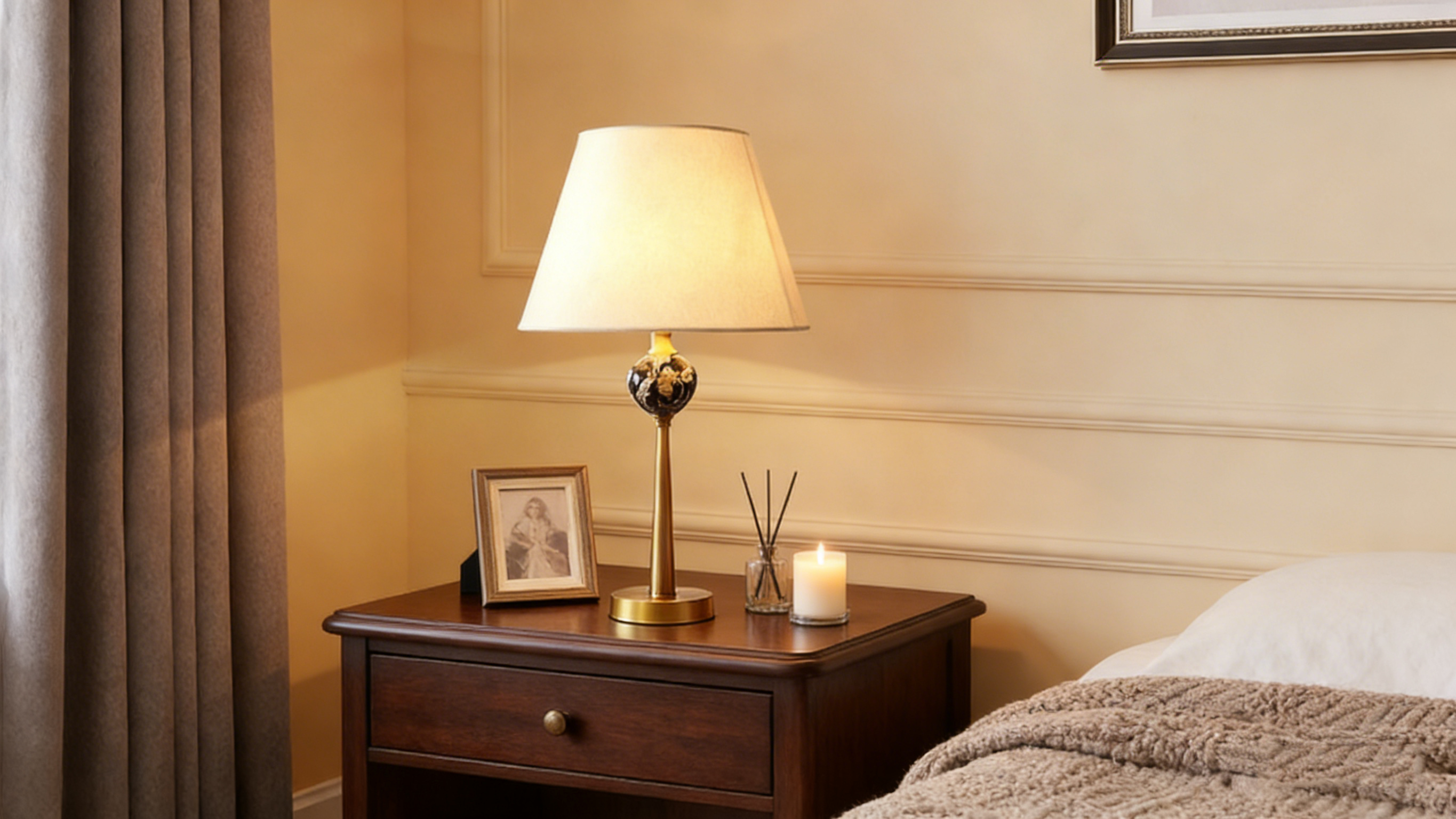
Color temperature, measured in Kelvins (K), determines the warmth or coolness of a light source. 4000K natural white light strikes an optimal balance—neither too warm (yellowish) nor too cool (bluish). Human factors engineering studies suggest that 4000K supports alertness, reduces eye strain, and creates a pleasant ambiance for concentration.
This makes 4000K ideal for eye-care desk lamps, preventing the harshness of cool white (above 5000K) and the drowsiness associated with warm white (below 3500K).
Different activities demand different lighting solutions:
Choosing a lamp without considering these nuances may lead to discomfort and inefficiency.
The Chinese national lighting standard GB/T 9473-2017 outlines the safety and performance criteria for desk lamps, including limits on blue light radiation, minimum Ra values, and recommended color temperatures for eye protection.
Checking for compliance with GB/T 9473-2017 ensures your desk lamp meets rigorous safety and visual comfort standards.
It’s easy to be misled by marketing that emphasizes energy-saving or sleek design. But here are some pitfalls to watch out for:
Ask yourself: “Does my current desk lamp have Ra≥90, maintain 4000K color temperature, and limit blue light exposure as per international benchmarks?”
Now you’re equipped to discern what “eye-friendly” truly means. For a reliable, science-backed solution, consider the 19-inch Classic Black Desk Lamp. This model aligns with the highest standards, featuring:

 285
|
285
|
 Bohemian embroidered bedding
Vintage aesthetic bedding
Velvet bedding pairing
Embroidered print design
Envelope - style pillowcase strap fitted sheet
Bohemian embroidered bedding
Vintage aesthetic bedding
Velvet bedding pairing
Embroidered print design
Envelope - style pillowcase strap fitted sheet
 285
|
Pillow matching techniques
Quilted pillow design
Home decoration inspiration
Minimalist pillow functionality
North American home trends
285
|
Pillow matching techniques
Quilted pillow design
Home decoration inspiration
Minimalist pillow functionality
North American home trends
 90
|
LED desk lamp lifespan
heat - dissipation design of LED desk lamp
stability of LED driver power supply
durability of ABS shell
standardization of office lighting
90
|
LED desk lamp lifespan
heat - dissipation design of LED desk lamp
stability of LED driver power supply
durability of ABS shell
standardization of office lighting
 147
|
envelope pillowcase design
luxury bed linen
hotel bedding solutions
durable home textiles
embroidered bedding patterns
147
|
envelope pillowcase design
luxury bed linen
hotel bedding solutions
durable home textiles
embroidered bedding patterns
 496
|
Embroidered printed bedding
European and American bedroom color schemes
Bohemian style bedding
Home textile customization
Hotel linen matching
496
|
Embroidered printed bedding
European and American bedroom color schemes
Bohemian style bedding
Home textile customization
Hotel linen matching